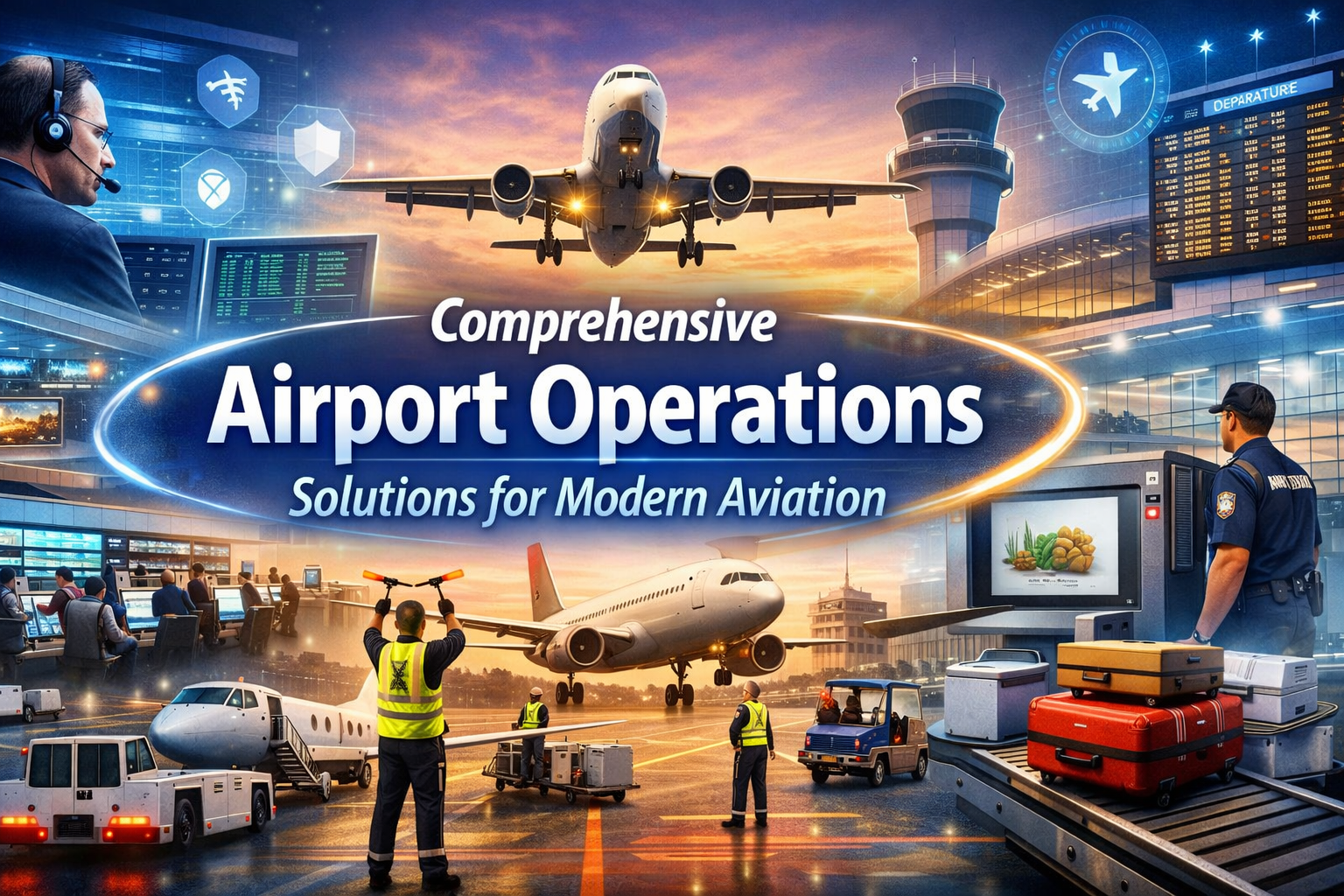
Modern aviation is one of the most complex and dynamic industries in the world. With increasing passenger traffic, expanding airline networks, and rising expectations for safety and efficiency, airports must operate like highly synchronized ecosystems. Comprehensive airport operations solutions play a vital role in ensuring smooth coordination between airlines, ground handlers, security agencies, air traffic control, and airport management authorities.
Airport operations encompass every activity that takes place from the moment an aircraft enters airport airspace until it departs for its next destination. These operations include airside management, landside management, terminal operations, baggage handling, ground support, safety compliance, and passenger services. A well-integrated operational framework ensures that all these components function seamlessly to deliver safe, timely, and efficient air travel.
Airside Operations Management
Airside operations focus on activities directly related to aircraft movement and safety. This includes runway management, taxiway coordination, apron control, aircraft parking allocation, and ground movement supervision. Effective airside management minimizes delays, prevents congestion, and ensures aircraft turnaround times are optimized.
Modern airports use advanced technologies such as real-time monitoring systems, radar coordination, and integrated communication platforms to enhance airside efficiency. Collaboration with air traffic control authorities is critical to maintaining safe separation between aircraft and ensuring compliance with aviation regulations.
Terminal Operations and Passenger Flow
Terminal operations are at the heart of passenger experience. Comprehensive solutions involve managing check-in counters, security screening, boarding gates, immigration processes, and passenger assistance services. Efficient passenger flow management reduces congestion, improves satisfaction, and enhances overall operational performance.
Smart airport technologies, such as self-check-in kiosks, biometric verification systems, and automated boarding gates, are transforming terminal operations. These innovations not only reduce manual workload but also speed up processing times, ensuring smooth movement through the airport.
Ground Handling and Ramp Services
Ground handling services are essential for quick aircraft turnaround. These services include aircraft loading and unloading, refueling, catering, cabin cleaning, baggage transfer, and pushback operations. Coordinated ramp management ensures that flights depart on schedule while maintaining strict safety standards.
Efficient ground handling requires trained personnel, well-maintained equipment, and precise coordination among multiple service providers. Digital ramp management tools now allow real-time tracking of tasks, improving accountability and minimizing operational delays.
Safety and Regulatory Compliance
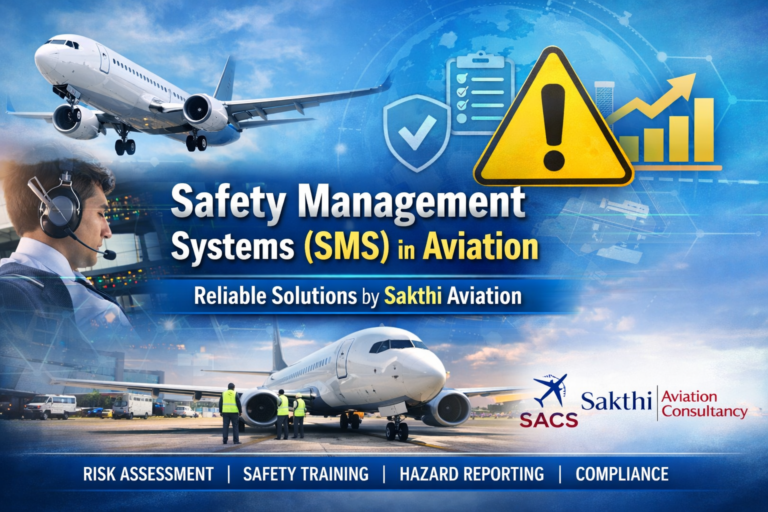
Safety is the foundation of airport operations. Comprehensive solutions include implementing Safety Management Systems (SMS), conducting regular audits, risk assessments, and ensuring compliance with international aviation standards. Organizations such as the International Civil Aviation Organization and the International Air Transport Association set global guidelines that airports must follow.
Airports must maintain strict protocols for runway safety, wildlife hazard management, fire and rescue services, emergency response planning, and security screening. Continuous training and simulation exercises help staff remain prepared for unexpected situations.
Baggage Handling Systems
An efficient baggage handling system is critical for passenger satisfaction. Modern automated systems use barcode scanning, RFID technology, and conveyor tracking systems to ensure accurate and timely delivery of luggage. Comprehensive airport solutions integrate baggage tracking with airline systems to reduce lost or mishandled baggage incidents.
Advanced analytics also help airports monitor system performance, identify bottlenecks, and improve overall reliability.
Technology Integration and Digital Transformation
Digital transformation is reshaping airport operations worldwide. Airports are increasingly adopting integrated Airport Operations Control Centers (AOCC), which provide a centralized platform for monitoring flights, ground services, weather conditions, and security operations in real time.
Artificial intelligence, predictive analytics, and IoT-based monitoring systems allow airports to forecast delays, optimize resource allocation, and improve decision-making. These smart systems enhance coordination between departments, reducing operational disruptions.
Sustainability and Environmental Management
Modern airport operations also focus on sustainability. Airports are implementing energy-efficient lighting, solar power installations, waste management systems, and carbon reduction initiatives. Environmental monitoring ensures compliance with regulatory standards while supporting global sustainability goals.
Green airport initiatives not only reduce operational costs but also enhance the airport’s reputation and long-term viability.
Crisis Management and Business Continuity
Comprehensive airport operations solutions include robust crisis management and business continuity planning. Whether facing extreme weather, technical failures, or health emergencies, airports must maintain operational resilience.
Clear communication channels, backup systems, and contingency planning ensure that disruptions are managed efficiently with minimal impact on passengers and airlines.
Conclusion
Comprehensive airport operations solutions are essential for managing the growing complexities of modern aviation. By integrating airside management, terminal operations, ground handling, safety compliance, advanced technology, and sustainability initiatives, airports can achieve operational excellence.
As global air traffic continues to rise, airports must adopt innovative strategies and smart systems to remain competitive, safe, and efficient. A well-structured airport operations framework not only enhances performance but also ensures a seamless travel experience for millions of passengers worldwide.
About the Author