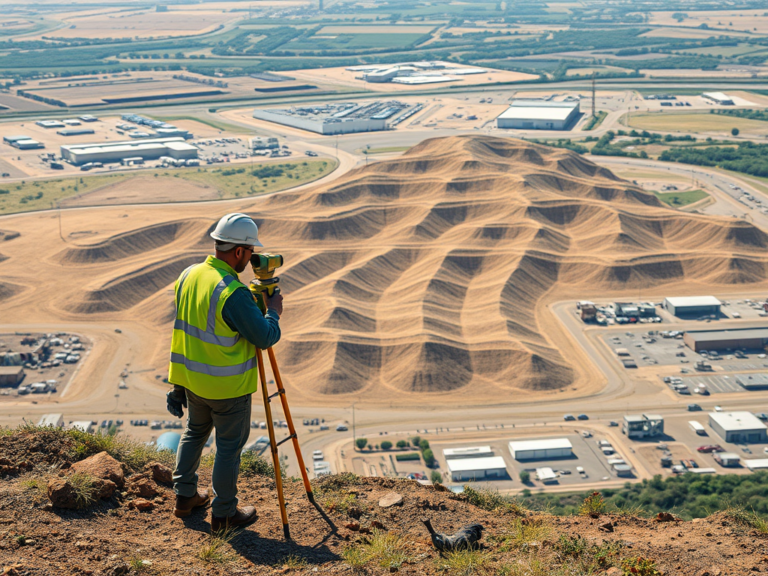
As the world shifts toward cleaner and more sustainable energy sources, solar power infrastructure has emerged as a critical component of the global energy transition. From small rooftop installations to massive utility-scale solar farms, this infrastructure enables the conversion of sunlight into reliable electricity. Understanding how solar power infrastructure is designed, developed, and the impact it creates helps highlight its growing importance in modern energy systems.
Design of Solar Power Infrastructure

The design phase is the foundation of any successful solar power project. It begins with site assessment, where factors such as solar irradiation levels, land availability, climate conditions, and grid accessibility are evaluated. Engineers analyze sunlight exposure throughout the year to ensure maximum energy generation. For rooftop systems, structural strength and orientation of buildings play a key role, while large solar parks require extensive land planning and environmental assessments.
System design also includes selecting appropriate solar technologies. Photovoltaic (PV) panels are the most common, available in monocrystalline, polycrystalline, and thin-film varieties. Designers must decide on panel capacity, mounting structures, tilt angles, and spacing to optimize efficiency. In addition, inverters, transformers, wiring, and energy storage systems are carefully planned to ensure smooth conversion and distribution of electricity.
Modern solar infrastructure design increasingly integrates smart technologies. Monitoring systems, sensors, and automated controls allow real-time performance tracking and fault detection. These advancements not only improve efficiency but also reduce maintenance costs and downtime.
Development and Installation Process
Once the design is finalized, the development stage begins. This involves obtaining regulatory approvals, land permits, and grid connectivity permissions. Compliance with local safety, environmental, and electrical standards is essential to ensure long-term operational success.
The installation process starts with site preparation, including land leveling or rooftop reinforcement. Mounting structures are installed first, followed by the placement of solar panels. Electrical components such as inverters, junction boxes, and transformers are then connected. For large-scale projects, substations and transmission lines are developed to integrate solar power into the main grid.
Quality control and testing are vital during development. Each component is tested to ensure proper functionality, and system performance is verified before commissioning. Once operational, regular inspections and maintenance activities help sustain efficiency over the system’s lifespan, which typically ranges from 25 to 30 years.
Impact of Solar Power Infrastructure
The impact of solar power infrastructure extends beyond electricity generation. Environmentally, it plays a major role in reducing greenhouse gas emissions and dependence on fossil fuels. Solar energy produces clean power without air or water pollution, helping combat climate change and improve public health.
Economically, solar infrastructure development creates employment opportunities across multiple sectors, including manufacturing, engineering, installation, and maintenance. It also encourages energy independence by reducing reliance on imported fuels, stabilizing energy costs over time.
From a social perspective, solar power infrastructure improves energy access, especially in remote and underserved areas. Off-grid and hybrid solar systems provide reliable electricity to communities that lack traditional grid connections, supporting education, healthcare, and local businesses.
Additionally, advancements in energy storage and grid integration are making solar power more reliable and scalable. As infrastructure evolves, solar energy is becoming a dependable base-load contributor rather than just a supplementary power source.
Conclusion
Solar power infrastructure is a cornerstone of the renewable energy landscape. Through thoughtful design, efficient development, and continuous technological innovation, it delivers long-term environmental, economic, and social benefits. As governments, businesses, and communities continue to invest in solar infrastructure, it will play an increasingly vital role in shaping a sustainable and resilient energy future.
Nanda Kailash delivers reliable solar power infrastructure services, offering expert design, installation, and maintenance of efficient solar systems that support sustainable energy, cost savings, and long-term performance for residential, commercial, and industrial projects.
About the Author