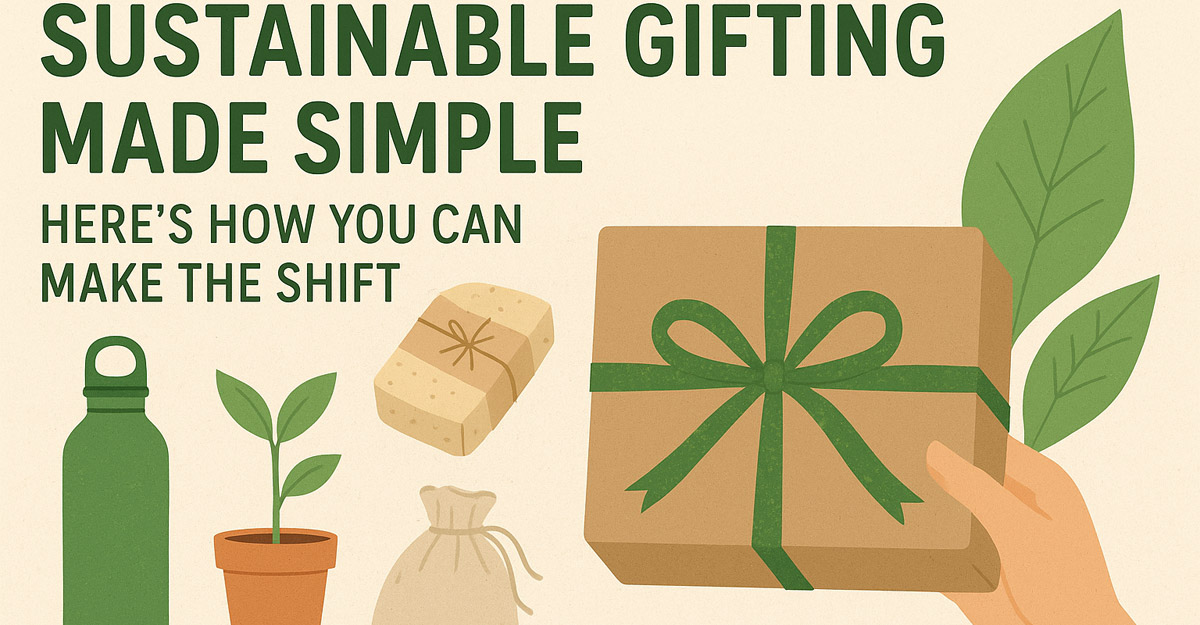
In a world where conscious consumerism is steadily rising, sustainable gifting has become more than just a trend—it’s a meaningful movement towards mindful living. Whether it’s birthdays, anniversaries, festivals, or corporate celebrations, people today want their gifts to reflect not just love and appreciation but also responsibility towards the planet. If you’ve been wanting to make the shift to sustainable gifting but aren’t sure where to begin, here’s a simple and practical guide to help you start your eco-friendly journey.
Why Switch to Sustainable Gifting?
Traditional gifting often involves plastic-heavy packaging, disposable items, or products with a high carbon footprint. These Unique gifts may bring temporary joy but leave behind long-lasting waste. Sustainable gifting, on the other hand, focuses on reducing environmental impact by choosing items made from natural, recyclable, biodegradable, or reusable materials. Such gifts create meaningful experiences, support ethical practices, and contribute to a healthier planet.
Apart from environmental benefits, sustainable gifts often stand out because they promote thoughtfulness. When you choose something handcrafted, upcycled, or reusable, it shows the recipient that you’ve put genuine intention into the gift. This emotional value often makes sustainable gifts even more memorable.
Start with Purposeful Choices
The first step towards sustainable gifting is identifying the purpose of the gift. Ask yourself:
- Will the gift be useful?
- Will it last long?
- Can it be reused, recycled, or repurposed?
By answering these questions, you automatically filter out wasteful items and focus on products that offer value without harming the environment. Items like steel water bottles, bamboo organizers, handmade soaps, organic skincare sets, and plant-based candles are great examples of gifts that blend utility with sustainability.
Choose Eco-Friendly Materials
Opt for products made from natural, biodegradable, or recycled materials. Bamboo, jute, cork, coconut shells, recycled paper, and organic cotton are some of the most sustainable materials available today. These materials require less energy to produce, generate lower emissions, and reduce reliance on plastic.
For instance, gifting a jute tote bag not only replaces plastic carry bags but also makes a stylish and reusable accessory for the recipient. Similarly, bamboo home decor items bring an aesthetic charm while being completely nature-friendly.
Support Local & Handcrafted Products
One of the best ways to embrace sustainable gifting is by supporting local artisans and small businesses. Handmade items often have a lower environmental footprint compared to mass-produced products because they consume fewer resources and promote fair-trade practices.
Whether it’s hand-painted pottery, artisanal chocolates, terracotta planters, or handmade jewellery, these gifts carry a unique charm that factory-made items simply can’t replicate. Buying local also reduces carbon emissions caused by long-distance shipping while uplifting small communities.
Plants: The Evergreen Sustainable Gift
Plants have emerged as one of the most popular sustainable gifts in recent years—and for good reason. They purify air, brighten living spaces, reduce stress, and grow with time, making them a symbol of lasting affection.
From low-maintenance succulents to lucky bamboo, snake plants, bonsai, or flowering pots, plants are beautiful, meaningful, and impact-free gifts suitable for any occasion. You can also pair plants with eco-friendly planters like ceramic, terracotta, or recycled pots for a complete green gifting experience.
Mind the Packaging
Even the most sustainable gift loses its value if it comes wrapped in plastic or synthetic paper. Traditional gift wraps are often laminated, coloured with chemical inks, and difficult to recycle. Instead, switch to eco-friendly alternatives such as:
- Recycled kraft paper
- Fabric wraps (Furoshiki style)
- Jute bags
- Newspaper art
- Seed paper gift tags
Eco-friendly packaging adds a rustic, elegant charm and keeps waste to a minimum.
Go for Experience-Based Gifts
Experiences often have a smaller carbon footprint compared to material products. Gifting experiences such as spa coupons, workshops, e-books, fitness classes, online courses, or homemade meal vouchers promote emotional bonding without creating physical waste.
Not only are experience gifts memorable, but they also align perfectly with a minimalist and sustainable lifestyle.
Make DIY Gifts Your New Favourite
DIY gifts are thoughtful, personal, and sustainable when done right. You can create homemade candles, customized photo frames, baked goodies, scrapbooks, or upcycled decor items using sustainable materials. These gifts show effort, creativity, and heart—something money alone can’t buy.
Encourage Reusable Gifts
Opt for items that reduce single-use consumption. Stainless steel straws, bamboo cutlery sets, reusable tote bags, thermal mugs, beeswax wraps, and cloth pouches are practical gifts that promote eco-conscious living.
These items help reduce waste and encourage the recipient to adopt sustainable habits.
Final Thoughts
Switching to sustainable gifting doesn’t require a complete lifestyle overhaul. Small, thoughtful choices can make a huge difference over time. By choosing eco-friendly materials, supporting local artisans, embracing plants and experiences, minimizing packaging waste, and promoting reusable products, you take a meaningful step toward a greener future.
Remember, sustainable gifting is not just about the gift—it’s about the intention behind it. When you choose gifts that are kind to the planet, you’re not only making someone’s day special but also contributing to a better tomorrow.
About the Author