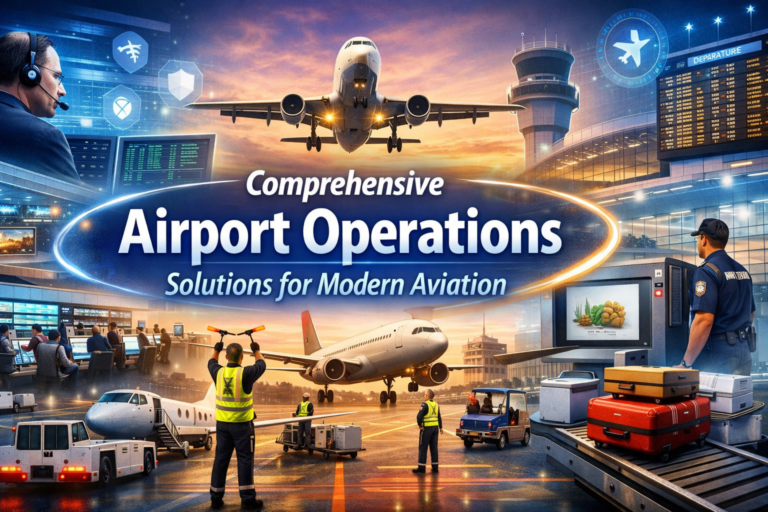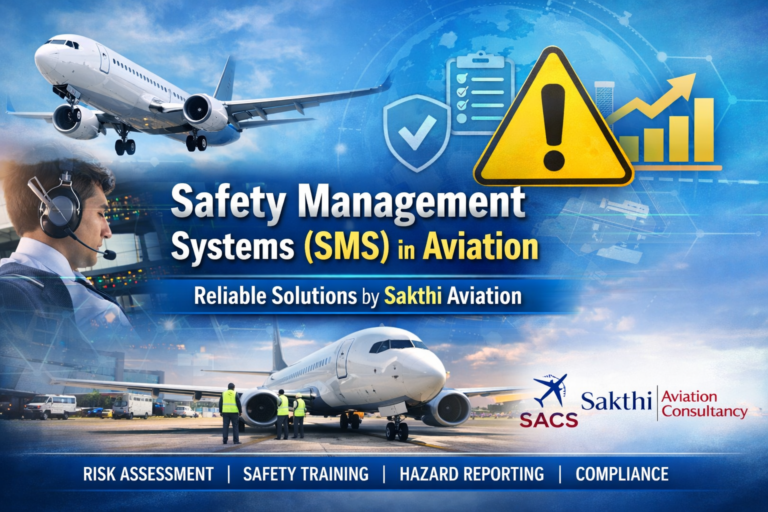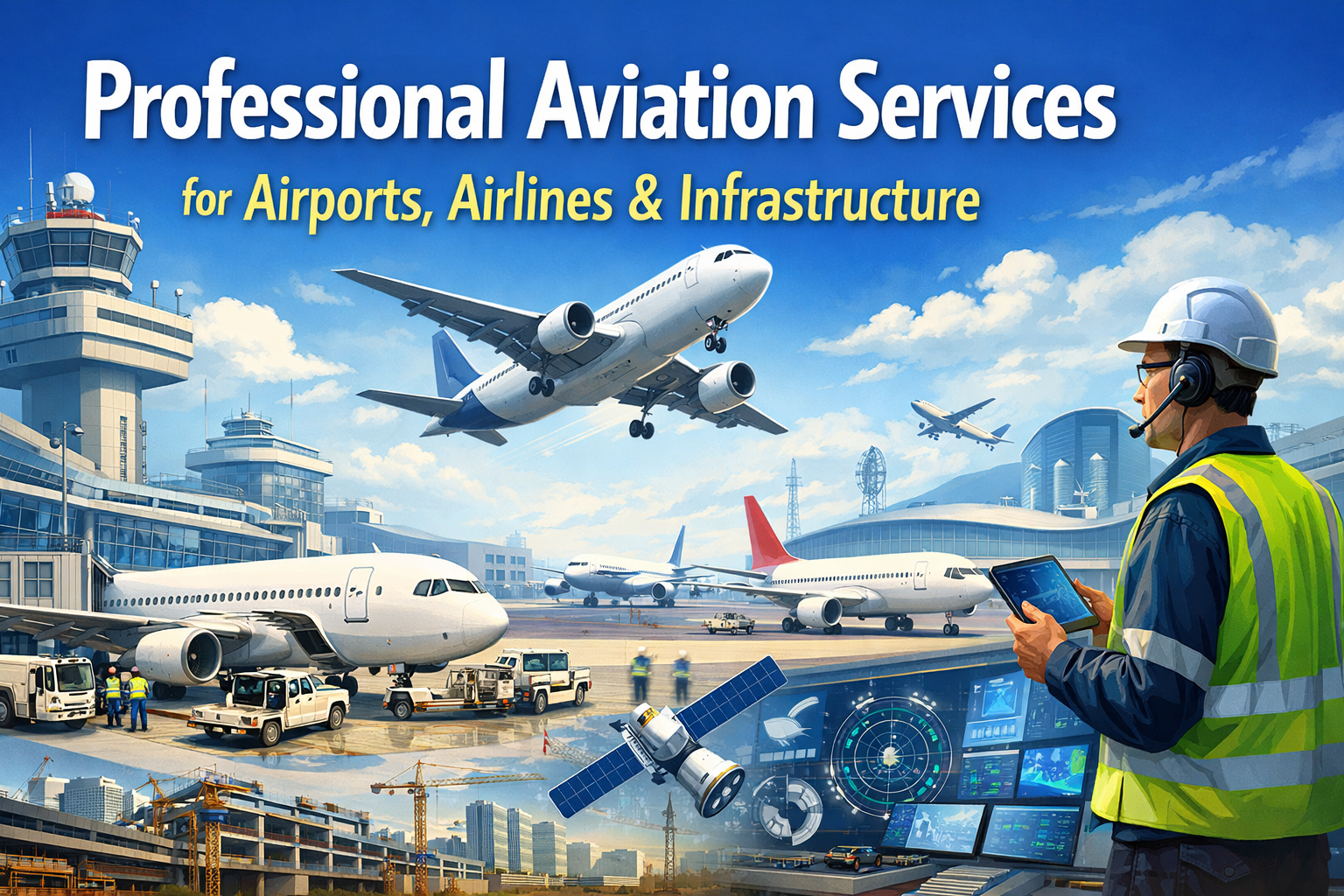
The aviation industry is one of the most complex and highly regulated sectors in the world, requiring precision, safety, and seamless coordination at every level. Professional aviation services play a crucial role in supporting airports, airlines, and aviation infrastructure by ensuring smooth operations, regulatory compliance, and long-term sustainability. From ground handling and airside management to infrastructure development and safety assurance, these services form the backbone of efficient air transport systems.
The Importance of Professional Aviation Services
Airports and airlines operate in a fast-paced environment where even minor disruptions can lead to significant delays, safety risks, and financial losses. Professional aviation services help minimize these challenges by providing expert solutions tailored to operational, technical, and regulatory needs. These services are designed to enhance safety, optimize efficiency, and ensure compliance with international and national aviation standards such as ICAO, DGCA, FAA, and EASA.
By partnering with experienced aviation service providers, stakeholders gain access to specialized knowledge, advanced technologies, and best practices that improve operational reliability and passenger satisfaction.
Aviation Services for Airports
Airports are complex ecosystems that require constant coordination between multiple departments. Professional aviation services support airport authorities in managing airside and landside operations efficiently. These services include runway and taxiway management, apron control, ground support coordination, and airport safety inspections.
Airside services focus on maintaining safe aircraft movement areas, ensuring compliance with safety regulations, and reducing the risk of runway incursions. Landside services enhance passenger flow, terminal operations, and facility management, contributing to a smooth travel experience.
Additionally, aviation consultancy services assist airports in capacity planning, terminal expansion, and master planning. With increasing air traffic, infrastructure optimization and future-ready designs are essential for sustainable growth.
Aviation Services for Airlines
Airlines rely heavily on professional aviation services to maintain operational efficiency and cost-effectiveness. Ground handling services are a critical component, covering aircraft turnaround, baggage handling, passenger boarding, and cargo operations. Efficient ground handling reduces turnaround time, improves on-time performance, and enhances customer satisfaction.
Technical and maintenance support services ensure aircraft airworthiness and regulatory compliance. These services include line maintenance, technical inspections, and coordination with maintenance repair and overhaul (MRO) providers.
Flight operations support, such as dispatch services, flight planning, crew coordination, and weather monitoring, helps airlines operate safely and efficiently. Professional service providers use advanced software and data-driven insights to optimize fuel consumption, route planning, and overall operational performance.
Aviation Infrastructure Services
Aviation infrastructure forms the foundation of safe and efficient air transport. Professional aviation services support the planning, design, construction, and maintenance of critical infrastructure such as runways, taxiways, hangars, terminals, and navigation systems.
Infrastructure consultancy includes feasibility studies, site selection, obstacle limitation surface (OLS) surveys, and height clearance assessments. These services ensure that airport development projects comply with aviation safety norms and environmental regulations.
Modern aviation infrastructure services also focus on sustainability, incorporating energy-efficient designs, renewable energy solutions, and smart airport technologies. These initiatives help reduce carbon footprints while improving operational efficiency.
Safety, Compliance & Regulatory Support
Safety is the highest priority in aviation. Professional aviation services provide safety management system (SMS) implementation, risk assessment, safety audits, and compliance monitoring. These services help airports and airlines identify potential hazards, implement corrective actions, and maintain continuous safety improvement.
Regulatory support services assist organizations in navigating complex approval processes, certifications, and audits. Expert guidance ensures compliance with aviation authorities, reducing delays and operational risks.
Technology-Driven Aviation Solutions
The integration of technology has transformed aviation services. Digital solutions such as airport management systems, predictive maintenance tools, surveillance systems, and data analytics enhance operational visibility and decision-making.
Professional aviation service providers leverage automation, artificial intelligence, and real-time data to improve efficiency, safety, and passenger experience. Smart infrastructure and digital transformation are becoming essential for modern airports and airlines.
Conclusion
Professional aviation services are essential for the safe, efficient, and sustainable operation of airports, airlines, and aviation infrastructure. By offering comprehensive support across operations, safety, technology, and infrastructure development, these services enable the aviation industry to meet growing demands while maintaining the highest standards of safety and performance.
As air traffic continues to increase globally, the role of professional aviation services will become even more critical. Investing in expert aviation solutions not only enhances operational excellence but also strengthens the future of global air transportation.
About the Author